Showing posts with label false nostalgia. Show all posts

Friday, January 01, 2021

The Golden Boy Passes/Baseball History News/End-Of-Year Review

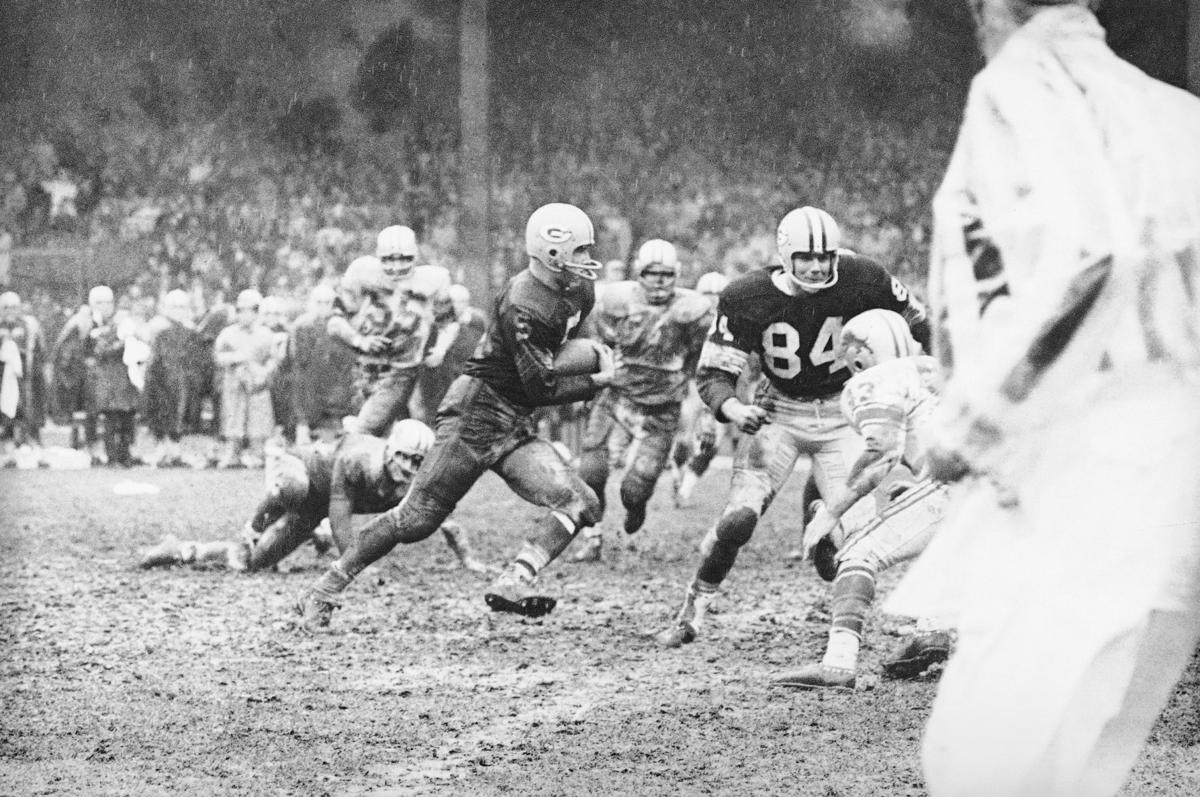
A seemingly greater number than usual of famous athletes died this year, and while I obviously let all of them pass without notice, when Paul Hornung, the "Golden Boy" of late 1950s-early 1960s college and pro football, who had become my favorite old-time football player in recent years, died earlier this month at the age of 84 I said that I would write something about it, though most other of the other notable football and baseball players who have died within the past couple of years were probably better than he was, at least by the numbers. Though Hornung hung around the NFL for nine seasons, with one year off in the middle while serving a suspension for gambling, apart from a few isolated games in between injuries later in his career, his time as a dynamic, star player was rather fleeting, lasting about three seasons from 1959-1961, a period when professional football was in the midst of its transition from a relatively niche sport to the much less intimate, much more professional, and perhaps overly serious national spectacle that it has been for most of my life. Hornung was somewhat of a holdover from the old era in that he had a lively all around offensive game, including kicking, which if I had played in high school, which I kind of regret not having done now, I would have wanted to model my own play after. While I am not one hundred percent confident that he was not overrated, football has changed enough since 1960 that relying entirely on modern style statistical analysis to assess a player's worth from that era is not foolproof, and in the days of 36 (or so) man rosters, without specialized full time kickers and other more narrowly but highly skilled position players, a guy who could make all of his extra points, 60% of his field goals, was an outstanding blocker and could also give you 800 yards and double digit touchdowns from scrimmage was quite a valuable player; and if his "combine talents"--especially speed, bench press, etc, were a joke by today's standards, which is one of the more common accusations leveled at him as a player, one can only say "Well? In the years when he was in his prime, he was one of the most dynamic and elusive players on the field, and he was lucky that the more evolved super athletes of today were not being painstakingly cultivated in his time as they are in ours." Most of the people who graduated from Ivy League schools in that era would supposedly not be considered Ivy material today, yet they don't appear to have gone through life thinking themselves any less wonderful on that account. The same can be said with regard to many other fields. Many of Hornung's vaunted teammates with the Green Bay Packers as well as his legendary coach insisted that he was the best player on the team during the early part of their epic dynasty, and while he was a "man's man" in that 1950s sense of boozing and womanizing and being a man about town that we kind of tsk-tsk at today, he was extremely popular with men and women in own day, inspired an exceptionally high amount of confidence in the people he played for and with, and in general when he was at the top of his game injected some extra glamor into the atmosphere by his participation in it. These reasons, and the very brief period of excellence he enjoyed as a player which nonetheless was enough to give an aura to the rather prosaic long remainder of his life, are why I suspect I am especially drawn to him.

The other day (about a month ago now) was the announcement by Major League Baseball, Inc. that henceforth various of the Negro Leagues that operated from 1920-1948 would be officially recognized as Major baseball leagues, and the statistics from those leagues to be included in the official records, added to the career totals of any players who played in the National and American Leagues, and so on. Though the news cycle already seems to have moved on from this story, on the day it was greeted with the expected amount of moral posturing, as if this were something people had been impatiently waiting for for a long time (yes, perhaps they have been, but somehow I was not aware of it).  I saw several exhortations by fans who gave the impression that their indignation on this matter had long reached its limit, to declare Negro League legend Josh Gibson, generally regarded as one of the greatest hitters all time, of whom it is often recounted that he hit around 800 home runs as a professional baseball player, the all-time home run king, with some commentators adding the aspersion of "cowards" to their demand. 

Since the corporate leadership of MLB, Inc. has not in recent years demonstrated an especially deft touch in its dealings even with its lifelong fanbase, let alone the younger, more diverse, and more tech and modern media-savvy generations it is so desperate to appeal to, I wondered whether they had had any anticipation of these kinds of reactions at all, or had expected only positive publicity--or maybe they don't care about the rabble on Twitter, but that is mostly what I see nowadays, official and respectable channels being pretty much undigestible at this point. I don't understand, however, the use of "cowards" here. It would not surprise me if the powers that run baseball might actually welcome the opportunity to name Josh Gibson the record holder for home runs if there was any plausible way for them to do it. It would, if not solve their current Barry Bonds problem, provide an alternative narrative that hardcore stat nerds would probably not accept but would seemingly be welcomed by the people who consider everything having to do with baseball history at least prior to 1947 to be hopelessly tainted by racism. One's motives for publicly questioning the veracity of the record in some circles anyway would be subject to uncomfortable scrutiny. The oft-quoted figure of 800 home runs that Gibson is said to have hit has been around for a while. It is even written on his Hall of Fame plaque, which was erected in 1972 (almost 800, it says there). There does not appear to be an overwhelming amount of hard evidence for a number of actual home runs close enough to this to justify establishing it as a new all time record, especially in a sport that has a statistical record of every single game played in its (originally) white leagues going back to the 1800s, where in recent years extensive research has been undertaken to determine that Ty Cobb likely only had 4,190 hits rather than the 4,191 he was thought to have for most of the last century, that Hack Wilson had 191 RBIs in 1930 rather than 190, and so on. The 800 figure, it seems obvious to me, was picked as the number at the time because it was more than Babe Ruth, who was the biggest sports star of his day, hit, and therefore would be guaranteed to grab the attention and make one think about how awesome this Gibson guy must be in a way that a mere 638 or whatever would not quite do. And every account of him that exists indicates that he was quite awesome, and this was well known throughout the broader baseball world at the time among everyone who didn't have their head completely in the sand. But the calls to credit him in the list of all time records with several hundred home runs that no one has much of an idea whether he ever actually hit doesn't make any sense. 


Yes, I would write more about these things, but I think too slowly in the small amount of time that I have to do anything.

So--the end of the year review. 47 posts this year between the two blogs. All of the most visited posts were on the other blog, and these were mostly my monthly updates. My five most popular posts of the year were:

1. "Alaska" 181 views.

2. "February 2020" 170

3. "April 2020" 160

4. "Jacinto Benavente y Martinez--The Bonds of Interest" 158

5. "July 2020" 154

The most viewed post on this blog was the perennial champion, my 2009 report on the Louis MacNiece poem, "The British Museum Reading Room", which must for some reason still turn up when people search for this poem. No one ever leaves a comment to say what they think of it though. That got 105 views. My most-viewed post from this year was my neurotic election post from September, which got all of 47 views. 

As for searches, the Blogger stats only record 4 searches leading to the sites this year, two related to Louis MacNiece and the British Museum, 1 for "Erin Fehlau pokies", referring to the New Hampshire news anchorwoman I wrote about a few years ago as a kind of minor love interest of mine, and 1 for "Hitler bourgeois" which sounds about like the kind of search that would find me. I guess that will wrap it up for the 2020 review. I am still too jittering now and constrained for time when I write to really do anything I would like to do. 


Friday, September 25, 2020

The Mike Trout Era

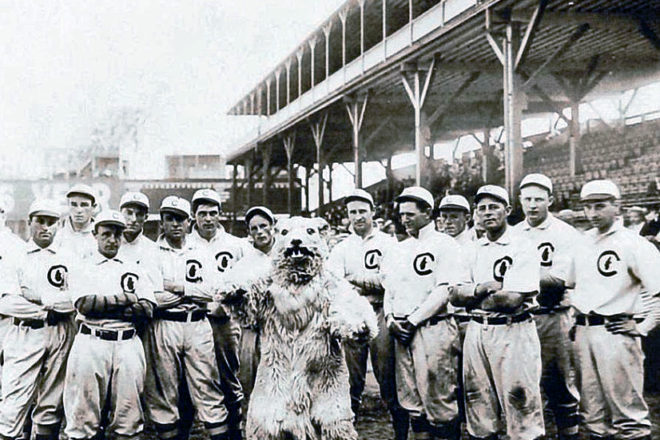
Often around this time of year I do a baseball post, in which, as obsolete old men have done since the players began wearing gloves, I more or less lament how the sport is being ever more ruined every year (and I was someone who was already lamenting the at that point still recently lost glory of the game when I was ten. Of course I hadn't seen anything yet). I do this because like all old people I genuinely miss the things that have gone away, like pennant races, a shorter but more intense playoff season, separate leagues, fewer teams, Wrigley Field not having lights, pitchers batting (pitchers pitching, for that matter, for more than 1/2 or 1/3 of the game at most), which make it hard for me to get very enthused about present day baseball. Even the advanced statistical analysis, which I took an interest in when it first emerged in the 80s and 90s, and seems now to constitute the major area of focus among both baseball executives and the sports' remaining fans, has long moved beyond me and seems, in its increasingly oppressive influence on the game as it is played on the field and is organized at the lower professional levels, to be draining much of the life out of it. As I have written elsewhere, I probably would have given up following the sport altogether except that two of my sons (aged 18 and 11) are quite dedicated fans, to the extent that they are 2 of the fifty or so people under age 75 who are still watching the Red Sox games in the last week of the season.** I do find that touching, so I try to watch the games with them when I can, because we won't all be together like this forever. But I don't much enjoy the way the games, or the seasons, play out now at all.   


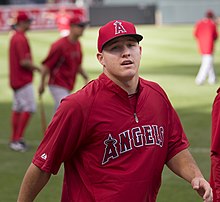
This is a rather roundabout way of getting to the main subject of this year's gripe-post. Mike Trout has been almost unanimously acknowledged by the experts to be the best baseball player in the world since his emergence on the scene as a 20 year old in 2012, and it is not uncommon to see him rated already as one of the top ten, or even top five players of all time, with a strong likelihood of laying claim to being the greatest ever to play the sport if he continues to perform over the second half of his career as he has up to now. In his eight full seasons to date, he has been voted the American League MVP 3 times, been runner-up four times, and finished 4th once, in which latter season he missed 48 games due to injury and his team had a losing record and finished 21 games out of first place. Many knowledgeable observers consider that he was robbed of the award in several of the runner up seasons. He has famously never come close as of yet to playing in the World Series, and has only appeared once in the watered down modern playoffs, on which occasion his team was swept in the first round. In spite of this lofty status, both in contemporary and historical terms, in what is still probably the second most popular professional sport in the United States (and being a white, native born American superstar to boot), he is not much of a celebrity in the world outside baseball, nor has he really established, to my mind at least, the kind of iconic visual image or character of himself actually playing baseball that immediately comes to mind with almost every other legend one can think of, including players like Ty Cobb or Honus Wagner whose careers largely predate the era of film, and for whose images we are reliant on photographs and hundred year old anecdotes. Trout's colossal stature is built primarily on his statistics, in particular those such as WAR, On-Base percentage, OPS+ and the like that have become so widely embraced within the last decade especially. His traditional statistics are consistently outstanding across a wide range of measurements* but, in the 20th century, probably would not have identified him at this stage in his career as being already an obvious Hall of Famer nor, I dare say, netted him seven top-2 finishes in the MVP voting.    


Trout's statistical dominance combined with his strange lack of vividness as a player (I say this as someone who watches, admittedly from an eastern base, a decent amount of American League games, the league in which he has dominated the MVP voting over the past decade, and he has made no impression on me in the games I have watched him other than he has a lot of long boring at bats that end up as walks after your attention has wandered) makes him a most apt face for today's game. Everyone who does talk about him, including me, must always be mindful to emphasize how great he is, but it is always done in a way stripped of any emotional resonance, unless you have evolved to the point where a spectacular WAR can make your eyes well up. Do any fans love him, or for that matter fear, or at least dread him?*** I would imagine some fans who follow his team day in and day out must, but that team (the Los Angeles Angels) does not have a terribly high profile fan base. The reasons for this lack of resonance nationally are I think a combination of factors, many of which derive from the demise of pennant races, which results in a lack of meaningful games outside of the playoffs (which Trout is never in), as well as, if not a complete lack, somewhat more difficulty in establishing rivalries, both on a team and an individual basis. The end of pennant races has also affected the MVP voting, which in the last decade especially has become almost entirely statistics-based (with the increasing sense that it should go almost automatically to the highest ranked player by WAR). This has become so accepted that it is commonplace now to see past selections, such as Willie Stargell in 1979 or Kirk Gibson in 1988, mercilessly ridiculed. At the time however, I don't remember them, and didn't think of them, as being terribly controversial. A 162 game season with a single team in each division making the playoffs really was a lot like following a novel, and as you didn't get a compelling story every year, that made the years you did get one all that much more memorable, and gave a boost to particular players at the center of those drives in the MVP voting that I don't think bothered a lot of fans or people in the game. If Trout has ever had another player as an identifiable rival, it would probably be Miguel Cabrera, who famously was the first triple crown winner in 45 years--an event many fans of my generation thought might never happen again--in 2012, Trout's rookie season, in which he emerged with not only perhaps the greatest rookie season, but one of the greatest seasons, as measured by WAR, of all time by anyone. The modern stat geeks were so carried away with their excitement at the arrival of such a superplayer in the new dispensation that old-fashioned fans who expressed their own excitement at the prospect of a triple crown were savaged as simpletons and know nothings, and all of the professional writers under age 50 or so who wanted to remain relevant, seeing which way the winds were blowing, took up the banner of Trout for MVP, pooh-poohed the triple crown (as well as pitcher wins, and innings pitched, and batting average and unadjusted ERA) as if they were not even worthy of interest, and picked apart Cabrera's game (no speed, negative defensive value) with as much disdain as if they considered him to be about as good as post-2015 Chris Davis. The shock was not so much in the lionizing of Trout but, as always, in the revolutionary zeal with which the old system and its idols were ridiculed and trashed. In 2012 the old guard dominated the MVP voting enough that Cabrera prevailed, getting 22 1st place votes to Trout's 6. The following year, in 2013, Cabrera, though he did not win the triple crown again, actually had slightly better triple crown stats, won the MVP even more handily (23-5 in 1st place votes) despite Trout's again having much higher war and being the subject of another relentless scorched earth campaign in his behalf being carried out by the new guard. After this the old writers were primed and softened up enough that in 2014, with Cabrera declining enough to fall to 9th place in the voting, Trout was elected unanimously...


So this is not the most polished or coherent piece--but it has been two weeks since I've posted, the regular season, which is what I mainly care about now that the playoffs lack legitimacy, is ending this weekend, and I want to move on to edify my readership with my wisdom on other topics...   

*They are legitimately great. While he has only led the American League once in any of the traditional triple crown categories (RBIs in 2014 with the less than jaw dropping total of 111), he has finished in the top five in batting average and home runs 4 times each, with a career high of 45 homers last year, and he has finished in the top 4 in slugging percentage every year he has played, topping .600 in each of the past three seasons (he is at .595 with three games left in this truncated season). However he has not really had a season where any of his traditional numbers by themselves would have blown away a newspaper reader of old checking the league leaders throughout the season--no .360+ average or 140+ RBI campaign, for example. Eventually of course he would begin to accumulate huge career totals in the counting stats, move into the upper reaches of the all time lists and so on and be positively judged in that way, which statistics (apart from perhaps home runs) do not seem to be as obsessively monitored and reported now by writers and announcers (as opposed to computers) as they were formerly. 

**Tonight was the last home game for the Red Sox. In a terrible season, which saw no fans at the park, and the majority of the team consisting of forgettable, transient players. Yet it was still kind of sad. 

***Some players I have dreaded/feared/loathed in the course of my years following baseball include Gary Carter and Steve Garvey (smug, arrogant, abused my team), Dusty Baker (killed my team), Willie Stargell (terrifying, killed my team), Lenny Dykstra, (obnoxiously troublesome, I hated him until he actually got traded to my team, at which point he began immediately became my favorite player), many Yankees of their recent golden age (Jeter, Rivera, Posada, Matsui, Sheffield all inspired various degrees of dread). Barry Bonds, especially in his (presumed) steroid incarnation, was genuinely terrifying, in that you were almost reliant on luck to get him out. My children who are fans find Aaron Judge, who is fortunately for them frequently out of the lineup due to being often injured, to be scary in this regard, that the pathetic Red Sox pitchers are essentially powerless to prevent him from hitting a home run unless he screws it up himself. But they don't feel this way about Mike Trout, they feel that he can be gotten out if properly pitched to, which is not always a given. They used to feel this way about A-Rod as well, who was much less frightening than about five other guys on his Yankees teams, even though overall he was evidently the best player. 

Saturday, December 28, 2019

Tourism Nostalgia Part 1

The older I get, it looks less and less like I am ever going to be able to do the kind of extended, leisurely touring that I have long dreamed of doing and have sunk a considerable amount of time in my life in plotting lists and itineraries for. But even if I were to go, I have the sense that the mid-level European travel world of my imagination, of train station hotels and walk-up pensions with faded carpets and curtains and 1960s amenities, of afternoons and evenings lolling about in cafes on the town square and taverns and small wood-paneled restaurants gawking at, if not the beautiful people, more than adequately attractive ones, all at prices manageable for the possessor of American dollars, may largely have ceased to exist even compared to what remained of it in the 90s, especially in the most famous locations. Now of course it is possible that I would find the new contemporary Europe much more exciting and vital than this old one that I am talking about, and certainly it would make my time there more interesting and myself a more attractive figure than if I were reduced to lamenting to just lamenting all of the things that were not there or that I could not afford to do anymore. It is a real disappointment in my life that I am not a more adaptive person. By the time I could study or absorb enough to have any sense of how to enjoy the culture of the present day, it will have long changed into yet something else.
I guess it is difficult to explain to anyone who did not grow up before the internet the imprint that certain books and certain pictures looked upon hundreds and hundreds of times over a period of many years would make on one's mind. That is obviously a common theme of my blogs, the strange desire I seem to have to keep up my relation to these books from my childhood that I looked up to and aspired to enter the world of in some way. This post has a bunch of pictures of Great Historical Sites of Europe taken from my college Western Civilization textbook which was published in the early 1960s. For some reason I have always loved these rather simple pictures, which I imagined was what these places looked like through the eyes of a cultured person who was really respected for his intelligence, which I have had some idea since an early age was the truly highest state that I had any realistic hope of attaining to. I thought I should look at them side by side with some picture of what they look like now, and record my thoughts on it.

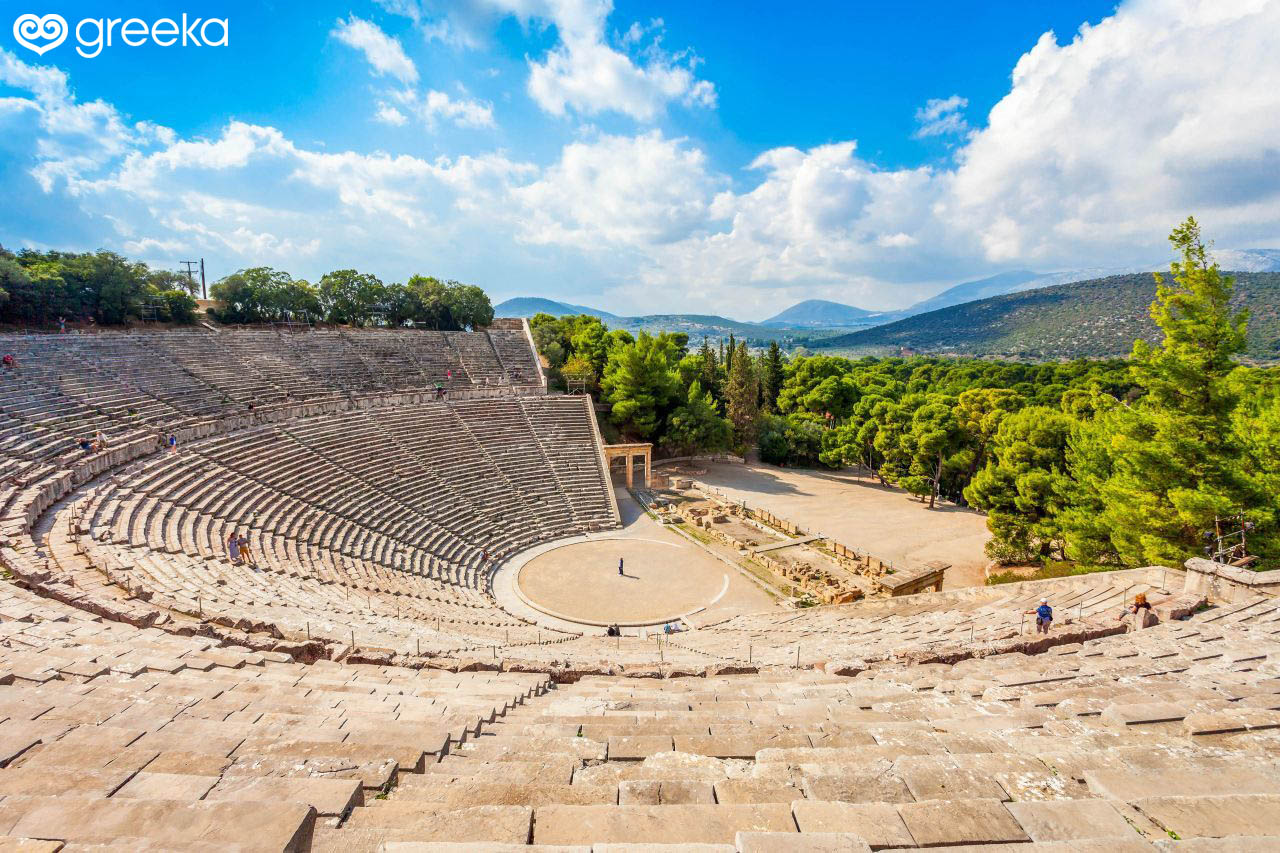
1. Ancient amphitheater at Epidaurus. Everything, for me, has to start with Greece, or the Greek world. Look at those dried out, ancient looking hills in the background, and the sense that a traveler trekking across an empty country could just stumble upon this grand, perfect ruin.


I actually cannot find a modern picture of the place where it is overrun with vulgar tourists, commercialism, etc, so maybe it actually is not ruined, and my whole project of lamentation is going to be defeated.


I have seen more stirring old pictures of the Parthenon, but I'm trying establish a mood here.  


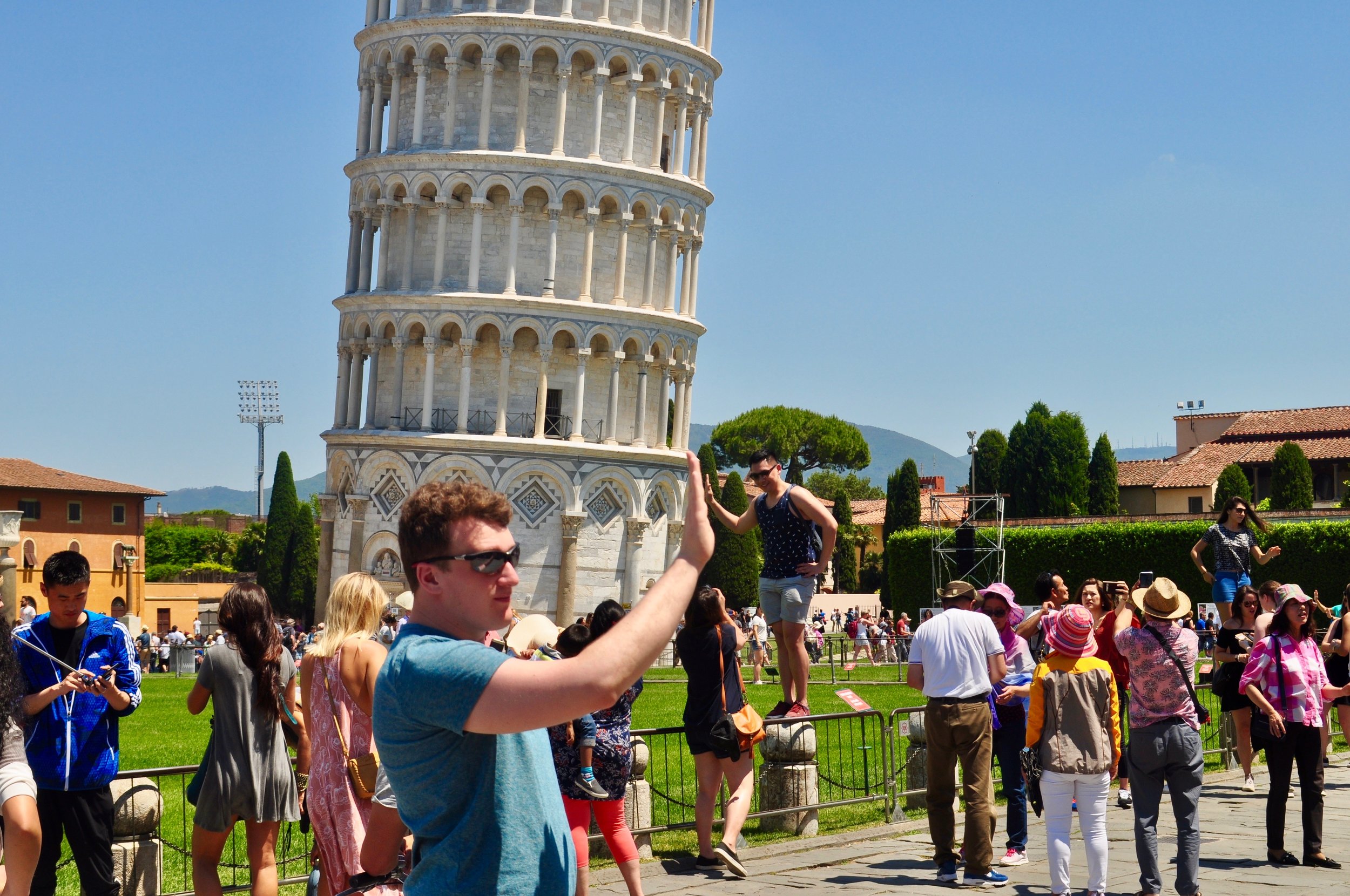
This is more like it, although most of these people at least look young, which is more bearable. Still, the romance of communing with the glory that was Athens is probably hard to achieve when there are this many people.


Aqueduct at Segovia. There's a nice little crowd here even in the 50s, but manageable. You're still going to get that centrally-located room and night of outdoor dancing with comparatively elegant people without too much hassle if you want it.


This is the most crowded modern picture I could find, and at least one blogger has written a post describing Segovia as "That Idyllic European Town You've Been Looking For" so maybe there is still hope for me to live out my European fantasies, or some of them anyway, and this will be an optimistic rather than a pessimistic post.


Mausoleum of Theodoric the Ostrogoth at Ravenna. Those trees. I feel like I'm at the end of a classic movie.


I like the 1950s approach better. The whole setting in the modern picture makes the tomb look less substantial, it looks a little like a CCC-era public restroom in a city park.


Image result for mausoleum of theodoric in ravenna overrun tourists


The cloth hall at Ypres. This building was rebuilt from 1933-1967 after the medieval structure was destroyed during World War I. This picture may be of the original, I can't tell. The solitary man in this picture decked out for an Alpine expedition as he crosses the square is one of my oldest tourism role models. The spirit embodied in this enthusiastic pilgrim will be mine too, someday, I can imagine myself thinking.


More cars now.


Walled Town of Carcassone. Another picture to arouse the leisure-lover's imagination. Another sleepy afternoon in the village just as it's been for the last 600 years. And a long-haired girl sitting on the wall...


I'm just not finding the nightmarish scenes I was hoping for. 


No nightmare here.


Cologne Cathedral. I'm pretty sure this picture must predate World War II.


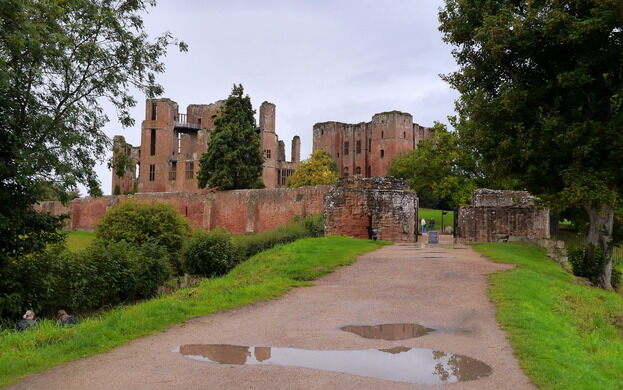
Kenilworth Castle, England. I love the muddy approach here.


The modern picture somehow always lacks the romance of the older ones, but this place seems to have stayed pretty true to itself. 


Reims Cathedral. I'm going to bet this is still pleasant and civilized. But the neighboring areas, the nightlife, the cafes, those are all dead now, right? It's not possible that I could still find something of what I imagine I have always wanted, is it? 


This is the most crowded picture of Reims Cathedral I could find. Once again, the older picture makes it look so much more grand, but I am sure that it is pretty exciting to see in real life. Most of the famous places I have been to generally were.


Gratuitous Notre Dame picture. One of the central loci of the old Western European dream that so many today are successfully weaning themselves off of. 


Abbey at Cluny


This place is looking just as good as it did before.


This is the most important of these pictures, the one I came back to the most because it is the one that projects, in those who can make some claim to possession of its ultra-superior qualities, the most authority and self-assurance, and of course it is that that I have always lusted after with complete and shameless abandon. 


I would definitely still go and see this if I were able. It's got too much lore and connection to classic Europe to be too diminished in my eyes.


Well, maybe.


House of Jacques Coeur, Bourges


The Doges Palace always has had a little bit of a crowd--no one dreams of going to empty cities, even generally misanthropic intellectuals.


Now it's the poster child for overtourism. They are getting very close to implementing a fee to enter the city.


Medici-Riccardi Palace. I had to get something from Florence in here. It's another one of the old standbys of the touristic imagination that sounds like it has become somewhat more difficult at least to partake of the feeling of being somewhere very special and great. Perhaps this is not true. I was there in '97, pre-Euro,and the numbers of visitors, while lamented at the time, were certainly much smaller than now, and I felt that I found a great deal of what I was looking for. 


I'm going to publish this now. I was almost finished on the 23rd but I had a bit of a health incident on Christmas Eve so I don't know if I'm going to be up to polishing this for a few weeks. However I may do a short end of year type post in a couple of days because I am laid up for a few days.

Thursday, September 05, 2019

The Vermont Country Store

The Vermont Country Store is, somewhat like L.L. Bean, an iconic, or at least near-iconic, New England business that has used heavy trading in particular aspects of the mythology of the region to acquire a cult-like following that, via its mail-order catalogue, stretches far beyond the borders of the Green Mountain State. While I have been to the flagship store in Weston as well, there is a satellite location near the Connecticut River about 30 miles from our camp, to which I have made many visits, especially in recent years when I often have too many children with me of too many disparate ages to attempt a more ambitious or challenging activity . Also like L.L. Bean, and unlike most other attractions in these parts, it stays open year-round, so most of the times that we have gone have been on dark and dreary afternoons during the long off season, on which it seems perhaps especially cheery. The experience is that of wandering through a large barn stuffed with antique-looking products that are actually brand new, and in many cases seem like they could actually be useful. I have myself at various times bought there aprons, tablecloths, lamps, and Christmas stockings among other goodies which I cannot recall at the moment. There are areas given over to candy in glass jars, various jams and butters and other spreadable delicacies as well as maple syrup, many of which latter are sample-able, and a children's area stocked primarily with brand new editions of classic, or at least instantly recognizable, children's toys, books and games of the 1950s, 60s, and 70s (I don't think they have gotten to the 80s yet). You are allowed, in fact encouraged, to bring your dog into the store. In the summer they have a dairy bar selling maple syrup flavored ice creams and classic lunch staples such as hot dogs, grilled cheese, and various sandwiches featuring bacon, though this is shut down from November to May. On the front lawn of the Rockingham store in the warm months there are rocking chairs and shady trees, and lawn games and swings for children. Given that the whole complex is surrounded by empty fields giving way to woods as far as the horizon in every direction I suspect they have trails for cross country skiing or snowshoeing in the winter, and I would not be shocked to discover that they had an ice-skating pond somewhere, but I have not looked into this.


By now the (hypothetical) reader might be wondering, is there a point to this? or maybe Whatever happened to your series on literary studs? (answer to the second question--I never seem to randomly come across anything of that nature that wows me enough to make a post for it). But to the first, yes, there is kind of a point. Some older relatives happened to be visiting us from out of state a couple of weeks ago, and we were over at the Vermont house as these guests are not able to undertake anything too strenuous anymore, we thought we would take them to visit the Store. Since, as I noted before, we usually go there in the winter, I don't think I had ever seen more than 5-10 cars at a time in the parking lot. On a Sunday in August however it was quite crowded, the cars had overflowed the regular lot and were lined up along the side of the highway, which is not however a busy one. In spite of this the inside of the store was not overly crowded, as many people were out on the lawn, and I got the sense that for the most part everyone was enjoying themselves. It also occurred to me in these confounded race and sociologically-conscious times that as well as I could tell, every single person there, including the children, including the employees even, would be considered as not visibly contributing to diversity, which even around here is fairly unusual these days. It was as if the Vermont Country Store were either some kind of a trap unconsciously luring this particular kind of person to a place that maybe they would have been better off avoiding, or, even more sinisterly, emitting some kind of exclusionary vibe to other kinds of people, or at least sending out a signal that was completely undetectable to them, which is exclusionary in its own way. But the people who were there did not look like obvious deplorable types, many of them looked in fact like the kind of people whom I have always found attractive and wished I could socially interact with; judging by the way they presented themselves I would guess that many of them would not merely be politically opposed to Trump, but would fall into the camp that is vociferously so, and adamant that others begin demonstrating equally with themselves intentions to do something about the various atrocities being committed on a daily basis under the president's leadership. The insane lack of diversity would not have been something they would have consciously sought or approved of--it was not even something I sought or approved of, or would have expected to encounter--but the effect is, as it is said, what it is.


What might this be supposed to mean? Well, much of what this store is selling is what I think of as quintessential New England stuff, or ingenious and more convenient variations of this, that I would have thought of as holding a certain amount of general appeal, but the appeal is apparently much more specific. Not wholly unlike what we have learned in recent decades about the universal appeal of the saga and traditions and even the exalted achievements of Western Civilization, or, as many now modify it, so-called Western Civilization. And while it is possible that fireplace implements or wool dryer balls or ice saws or 1946-inspired Christmas wrapping paper will someday find a vogue among the newer populations of the region, or perhaps among their descendants, it is another reminder that the character of the region is not only destined to change, but has already largely long moved on from that of the era recalled by the store, and even from that which I knew when I lived here 20 and 30 years ago. I went to the barber shop about a week after this outing and, as I had to wait for a few minutes, I read a copy of the local newspaper that was lying around and realized how much I myself had lost contact over the years with the local community, or what remained of it, despite having lived here now for over 20 years and having no doubt one of the larger families in town. I stopped subscribing to this newspaper shortly after my older children were born, not so much on account of the internet as because I didn't have enough time to read it, and it was an easy expense to cut out. But it also was another means of cutting me off from my immediate surroundings. While I have worked at the same place for a very long time, technological advancement and the hyper-professionalization of ever more functions and positions have over time created a much more corporate character that it used to have, though perhaps this is the result of my aging and the aging of other people I have known over that period, along with the cultural disconnection I feel with most younger people. My children seem to me to have had a pretty rich and thorough New England upbringing--We have been at least once to almost every major place and done most of the stereotypical lifestyle/experience type things as well, either via their school or the family or the boy scouts or sports. None of them read very much, or seem to take a comprehensive view of their various life experiences (such as I suspect reading trains the mind somewhat to try to form) at least that they ever express to me, so it is hard for me to gauge what they actually make of anything. But I am going to stop this post now.

Friday, March 22, 2019

On the Disappearance of Toll Booths (and Cash)

I recently returned from my annual driving trip to Florida, which is increasingly almost the only occasion in the year when I am able to get beyond a 100 mile or so radius around my house. The most striking part of this year's trip was how many long familiar toll booths have been removed and replaced with eerie banks of cameras. I had come across these occasionally before, of course, but only one or two on a trip. This time I will probably have $40 or $50 worth of toll bills coming in the mail over the next few weeks which I would just as soon have paid for out of the beautiful billfold of cash I had brought along with me for the purpose, and which I ended up paying out for sodas and pretzels at Wawa and other lesser gas stations along the way instead...


Before expanding upon the toll theme I want to digress onto the subject of carrying around paper money, which even in this modern age I have tried to do as much as possible, though in recent years many circumstances have chipped away at my adherence to this position also. I am fond of reminiscing about my routine in college, when I did not even have an ATM card or any other credit card, but would go to the bank every Friday afternoon and withdraw $25 for the weekend, with no hope of getting any additional funds until Monday. While most weeks this money was depleted by Saturday night, as I ate lunch and dinner in the dining hall on Sunday and in those days always maintained enough of a stash of alcohol so that I was never in danger of having to go a night without it, it was very rare that I encountered any inconvenience from not being able to buy anything on Sunday. Up until recently I have always regularly carried some cash, though many years ago I gave up using it for bigger purchases such as gas and, as my family grew larger, the grocery store. Unfortunately in November the branch of the bank, and its accompanying ATM machine, that was located around the corner from my house closed, and the nearest machine where I can withdraw money now without paying fees is 6 miles away. The consequence of this has been that, somewhat against my will, I don't have cash on me as frequently as I used to, though I still need some from time to time, as my children often need snack money or $4 for a field trip or other such small sums which it is irritating to have to write a check or pull out a bank card for every time. But as with the smart phone, which I could tell was evil and held out against getting until 2015, circumstances seem to be moving in a direction where trying to have paper money about one at all times, at least for the harried person with children and too many things to do in the course of a day, is going to get increasingly impractical and inconvenient.


Anyway, this business about the tolls I am finding more and more disturbing the more I reflect upon it. The awareness of how constantly you are being tracked alone is enough to sap you of your will to go on living. In New Hampshire, where I live, there are 4 toll areas in the state, though I only ever encounter two of them, they cost $1 (there was much gnashing of teeth when this rate was raised from 75 cents about 10 years ago), and for the moment at least they all still have a couple of booths at the far end manned by actual human beings to collect cash. Neighboring Maine still has human toll collectors on their turnpike as well, and as these are the toll roads which I mainly frequent at this point in my life, I have been oblivious to what has been going on elsewhere. Massachusetts, perhaps prodded by a notorious scandal earlier in this decade where an unscrupulous toll worker had managed to scam enough overtime that he brought home $70,000 (or perhaps it was $90,000) in a single year, seems to have eliminated all of its former toll booths both in Boston, where it does have obvious benefits from a traffic standpoint, and along the turnpike. New York City doesn't have toll booths for at least the Triborough and Verrazano Narrows bridges anymore either, though upstate (I came home by a different route) the New York Thruway is still running on the pay-by-the-distance-travelled system and still has a toll-taker, and I was most delighted to encounter the toll booths still running on the Hamilton Fish Bridge on I-84, though who knows for how long (as an aside, in the area of 19th century New York politicians, I've never able to keep straight Hamilton Fish from Rufus King. And then you can also throw in William Rufus Devane King, though he was not actually from New York). (ed--and then perhaps the Bridge is really named after Hamilton Fish II, Hamilton Fish III, or Hamilton Fish IV, all of whom served in Congress representing New York. There is also a Hamilton Fish V, but he is still alive and works in publishing. It appears that he only has 2 daughters).


New Jersey, both on the turnpike and on the Garden State Parkway, which I took on the way home, have stuck with the old toll booth ways, though the Turnpike, which used to be about $3 from New York to Philadelphia, is more like $10 now. The bridge over the Delaware River connecting the New Jersey Turnpike with the Pennsylvania Turnpike, which was previously always included in the price of the latter, is now a separate toll--for how much I don't know, since the once somewhat dignified entry into my home state is now marked by the sinister flashing of a bank of cameras, and I haven't received that particular bill in the mail yet. The PA turnpike you can still pay for with cash. Ever since I started at St John's almost 30 years ago I have almost always made the trip from Philadelphia by getting off of I-95 in Delaware and taking US 301 down through the eastern shore of Maryland to the Bay Bridge, which is an uncrowded and pleasant way to get there, as that particular road and the farmland through which it mostly passes is old-fashioned and looks as if unchanged since the 1950s at least. There had never been a toll on it in all of these years until the state of Delaware, through which it runs for about 10 miles, decided apparently in the past year to divert the old road onto a newly built section entered through an arch of flashing cameras and charging $4 for the privilege. What a greedy little state they are! The one consolation was that once you get into Maryland the road again is the same sleepy old road it has always been. For now. The Bay Bridge still has a toll booth too, for the record.


In the course of writing about these roads I remembered a by today's standards quite bad thing I did when I was younger that I had completely forgotten about for more than 20 years, and that would be, if not impossible, difficult to pull off today unless you were very aware of where all these cameras were, though even in that case there are other ways to track you, GPS records or what have you. When I was in college, this would be around 1993 or '94, whenever there was a holiday or vacation during the school year, as I didn't care to go home for more than a couple days I would often arrange to squat in the house or apartment of people I knew during some part of the break. As I would often be alone and did not require a great deal of maintenance in those days, food and drink for one person who slept 12 hours a day being cheap enough, I enjoyed these occasions, read any number of books in a leisurely manner, went out in the evenings and in general led the kind of life I would have least indulged in more of if it had been the gods' pleasure to make me born to wealth. Over one Christmas holiday while staying in such a situation, I quite by accident stumbled upon the car keys that one of the regular inmates of the house, who lived somewhere too far to drive to and had flown home, had left behind, and, somewhat uncharacteristically for me, the temptation was too great to resist and I took the car on a little overnight trip which involved paying many tolls and driving into and parking in a major city which was a more hazardous undertaking at that time than it would be now. However I made it back and I must have even gotten the car back in the same parking spot, or one close enough to it, because the owner, who was not a particular friend of mine (I was more friendly with one of the other residents of the house) does not seem to have ever had any suspicion of my journey.


As I noted above, in the time elapsed while this post was written, a couple of the bills have already come in, from Massachusetts and New York, and it appears that the process is not going to come off without a good deal of the chicanery that has been creeping, or perhaps re-asserting, itself into American life over the past couple of decades. The Massachusetts bill only includes my Turnpike toll on the way down, which was 90 cents. However they are also charging 60 cents for a completely bogus "invoice fee"--you are the ones who ripped out the toll booths and made these mailings necessary, I believe, though I suppose they will argue that I could have an E-Z Pass account set up, though as I do not drive on a toll road more than once or twice a month why should I have to do that? Oh, and there is a "Previous balance" of $22.40, what for is not explained. I will note here that I have paid every toll by mail bill I have gotten in good faith (though not the invoice fees), if not always on time, so either they are cashing my checks and failing to record this in their books, or there is some kind of accrual of 'late fees' or some such nonsense that exist because it is no longer possible to pay on the spot and I have to send out a check for 90 cents (sorry, paying online involves filling out too many personal questions). In short, I won't be paying the previous balance. The New York bill is actually slightly less offensive, though they are claiming that I have an overdue balance of $8.50, which I either never received an invoice for or I have paid and they have neglected to note this in their system. I did rack up $26.75 worth of actual tolls there, headed by a whopping $17 for the Verrazano Narrows Bridge, which I took because the George Washington Bridge was, as usual, backed up, even though it was around midnight when I passed through. When you throw in the $8.50 for the Triborough Bridge, it was an expensive detour. On the other hand, this is the extent of my experience of New York City for about five years past now, so I have to take what I can get. The radio stations are still free when you get close enough to town, at least.

Wednesday, October 03, 2018

Top ___ Pitchers Who Used September to Get Hot Going Into the Playoffs--Something That Apparently Isn't Done Anymore

I wanted to do some kind of top ten list for this post, but I couldn't think of anything inspiring, such as my ten favorite opera houses, or ten favorite hotel bars in East Asia, that I had enough variety of experience of to make a decent list from, and at the moment doing another "10 favorite gas stations" or "10 favorite McDonald's" type of post strikes me as depressing. Then I pondered why oh why have I no imagination nor anything to say and this led me back to the eternal explanation that not having a proper profession, to say nothing of multiple awesome careers, has caused me to be this way, and I thought to do a list of "Top 10 professions besides writer/generic 1960s style academic that did not require an extraordinary amount of Talent" that I might have pursued, but after coming up with "demographer" and "director of a small obscure museum that receives 500 visitors a year" I was stumped by that topic too. So then I tried to think of anything that had caused me to be angry or had stirred any resemblance of passion in recent days, and I could only think of a handful of these (ed--I started this post before the national brouhaha of the Kavanaugh hearings, which I may or may not make some comment on, if it is still a burning issue when I get around to it), one of them being my rage at the increasing coercion used by companies to make you sign up to pay bills by automatic bank draft, which besides causing a certain amount of strain on people like myself who cannot always be certain of having adequate funds on hand on the exact date of these transmissions, also represents another maddening loss of any sense of control one has over one's life; and the other was concerned with the various infuriating (to me) trends with regard to the way pitchers are used in baseball, from 'bullpenning' (the use of a tag team of nondescript pitchers for 1-2 innings from the start of the game) to the ever shrinking number of pitches and innings and games that such regular starting pitchers as remain are allowed to throw. The arrogance and self-satisfaction exuded by the new generation of managers, GMs and baseball intellectuals that has promoted and adopted these methods I find harder to take than I should as well. I am writing about baseball a lot lately. It's probably one of my phases. Now that my children are interested in it I'm paying more attention to it/watching a lot more games, etc, than I have in some years, and these extreme changes in the role of pitchers is perhaps the most jarring development to me, though not the only one...


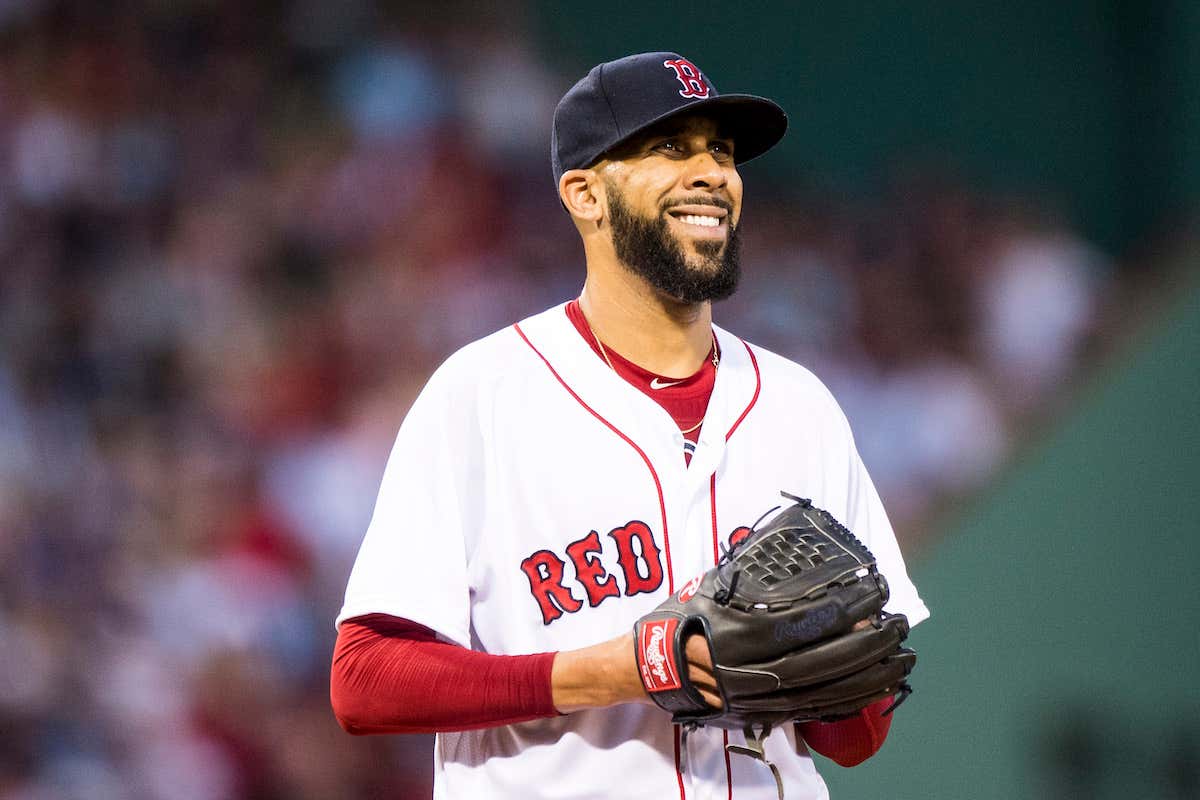
To begin with a little backstory. On September 20, 2017, Chris Sale, the ace pitcher of the Boston Red Sox, 1 strikeout shy of 300 for the season, after having pitched 7 shutout innings with a pitch count of around 100, was sent out for the 8th inning, ostensibly to reach that strikeout milestone, which he did, completing another scoreless inning in the process with a seemingly reasonable pitch total of 111, which was his final number for the game, as obviously he did not come out for the 9th inning. The Boston sports media and fan base were apoplectic about this unnecessary and highly incautious extra inning of work, concerned that with the team starting the playoffs in approximately two weeks, it was wearing out its best pitcher. After resting for five days, Sale appeared in one more regular season game, the sixth to last, throwing 5 innings and 92 pitches (and giving up 5 runs) in a loss to the Blue Jays, after which he took 8 days off before starting Game 1 of the Division series against the eventual World Series Champion Astros, in which game he got shelled, giving up 7 runs in 5 innings (and throwing 100 pitches). 3 days later he came out of the bullpen in an elimination game and pitched well for 4 innings but could not get through a 5th, giving up what turned out to be the two decisive runs that ended the Red Sox's season. The club's manager John Farrell was fired within days of the loss, and one of the dominant themes was his mishandling of Sale, burning out the pitcher due to overuse during the season, though until recently his total of 214 innings with a high single game pitch count of 118 (as well 29 innings over 5 starts in September) would have been considered a fairly light workload. This season, with a new manager and the team being on a 110-win pace for most of the year, the strategy for keeping the ace pitchers fresh for the playoffs has gone from not burning them out early in the season to basically having them take most of the 2nd half off. There are injuries involved, I suppose, but even so the extent of the precautions taken before putting Sale and David Price, the $45 million a year duo the Red Sox are counting on to lead them to the World Series, back on the field is at the point of being ludicrous. Sale has pitched a total of 17 innings since the end of July--12 in September. While the plan was for him to hopefully work his way back into something resembling mid-season form before the playoffs started, he gave up 5 runs in 8 innings in his last two starts and has not been able to complete 5 innings in a game since August. Price has been a little more active, though a season total of 176 innings is not overwhelming, especially for a guy on a seven year contract at $31 million per annum. He made 4 appearances in September for a total of 23 innings, and is not exactly entering the playoffs on the kind of roll baseball fans of a certain age were once accustomed to in anticipating the championship series(es?). With the roster expansion in September, most of the recent games have featured endless situational experimentations with an army of relievers and onetime starters to see who can come in and get an out with 2 on in the 4th inning or whose makeup is particularly suited to the 7th as opposed to the 6th. For me all of this inevitably calls to mind the days when September was the month when the pitchers of the year were not leveling off or winding down but were rolling along like locomotives at high speed barreling towards the playoffs, or at least the Cy Young Award. Just recalling a few that especially stand out:


Orel Hershiser--1988


This is perhaps the ne plus ultra example of a pitcher who went on an unstoppable tear at the end of the season and all the way through the playoffs and the World Series. At the time Hershiser was regarded as having pretty much carried his otherwise underwhelming team to an improbable championship, though I am not sure that the new analysis would acknowledge that it was possible for a single pitcher to have that outsized of an impact. Certainly no one appears to regard this as a formula for postseason success in 2018, though the Giants pulled something of the sort off (riding a hot pitcher to the title) with Madison Bumgardner as recently as 2014.


At any rate, going into his start on August 19, 1988, according to Baseball-Reference, Orel Hershiser, already established for several seasons as one of the better pitchers in the National League, was, using the archaic statistics, 16-7 with a 3.06 ERA and had thrown to that point 185 innings. He threw complete games in each of his 3 remaining starts in August, including one shutout, though one of the other games was a 2-1 loss to the Mets. Moving into September, with his team driving towards the division championship, Hershiser made six starts, throwing 9-inning shutouts in the first five, and in his final tune-up for the playoffs, throwing 10 scoreless innings in a no-decision. That 10th inning in the last game famously allowed him to break Don Drysdale's record of consecutive scoreless innings with 59, a situation analogous to that of Chris Sale's "extra inning" to get his 300th strikeout in 2017. Naturally there was no controversy, that I can remember anyway, at the time with Hershiser pitching 10 innings in a meaningless game a week before the playoffs in a month and a season in which he had pitched 54 and 266 innings respectively already. By this point much was expected of him. There is pitch count data available for these games and the totals are actually quite reasonable, regardless of whether anyone was paying attention to them or not. In the 6 September starts the numbers were 109, 109, 103, 96, 112 and 116 (the 10 inning game), though even these modest totals are more than what almost anyone would be allowed to reach today, at least over a six game span in the course of a single month. For what it's worth his high pitch game for the year was 153 in a complete game loss on June 4, but his 2nd highest was 127, and he only had over 120 pitches in 3 of his 34 starts, in spite of which he managed to throw 15 complete games, 13 of them accomplished in 118 pitches or fewer.
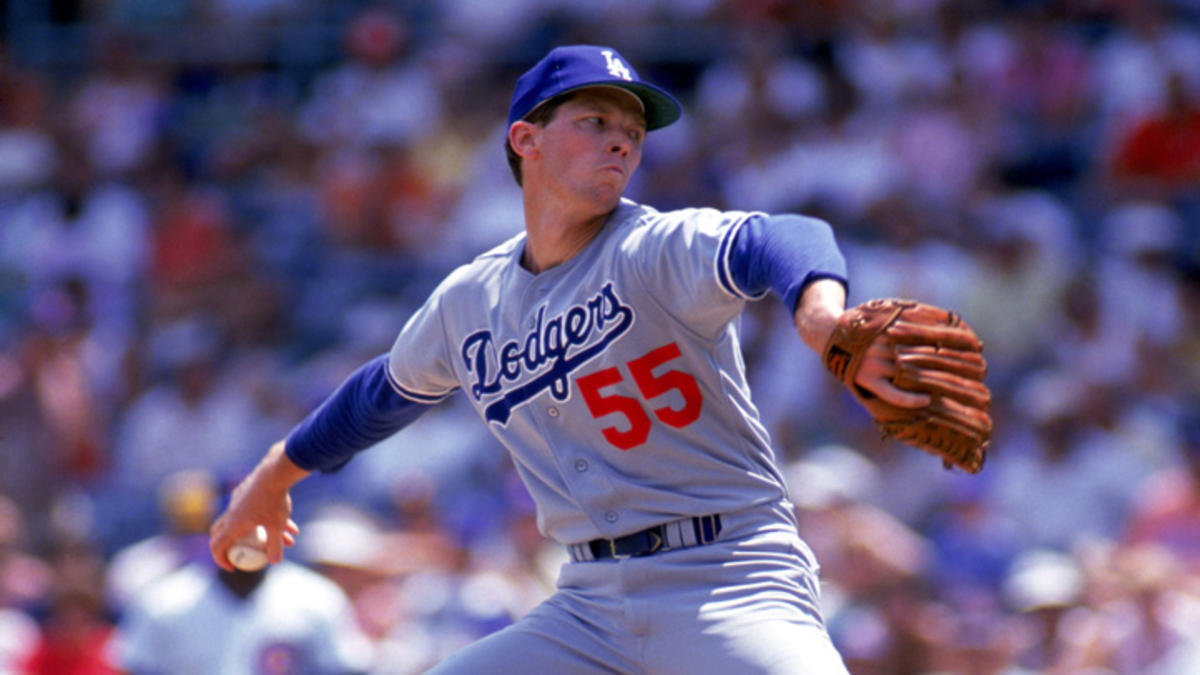


As many will recall, he was so exhausted by this historic run that he went on to be the MVP of both the League Championship and World Series. Until Game 7, in which he pitched another shutout, his LCS performance was more heroic than impeccable. He started off by throwing 8 more shutout innings to open Game 1, but then the unthinkable happened in the ninth and he gave up 2 runs and ultimately the game (though his final pitch count was a still impressive 100). After a rainout pushed Game 3 in New York back a day, he came back to start that one and pitched 7 gritty innings in what I remember as a gray, windy, chilly afternoon though the Dodgers went on to lose that game as well. He then came out of the bullpen to get the final out in a very dramatic Game 4, which the team was believed to have found inspiring, before winning the aforementioned 7th game, for which no pitch count seems to be available. In the World Series he threw another shutout in game 2 (no pitch count), and threw a 4-hitter, 2 runs allowed, in the clincher in Game 5 (117 pitches).


He came back to have another fine year in 1989, posting a 2.31 ERA in 256 innings, his sixth straight outstanding year. However in the final game of that season, which was completely meaningless as the Dodgers finished well out of the playoff race, he was allowed to throw 11 innings and 169 pitches. He consequently missed most of the 1990 and 1991 seasons with an injured shoulder and when he came back he was never as good as he had been in his prime, though he did have eight more seasons as a more or less full time pitcher, until he was 40.


Mike Scott--1986


What I remember about this year offhand is that Mike Scott, after being something a bust after coming up with the Mets, went to Houston and salvaged his career, having a nice 18-8 season in 1985 before exploding as a dominant pitcher in 1986, racking up 300 strikeouts and eventually the Cy Young Award. He culminated the regular season by throwing a no-hitter in the Astros' division-clinching game, after which he pulverized the 108-win (and eventual World Champion) Mets with a 14 strikeout 5-hit 1-0 shutout in Game 1 of the NLCS (125 pitches), followed up by a 3-hitter in a 3-1 victory in game 4 (111 pitches). The Mets, desperate, so the storyline went, to avoid facing Scott again in Game 7, outlasted Houston in 16 innings in an epic Game 6 to win the Series 4 games to 2. How was his September leading up to this memorable postseason, I wonder? 6 starts, 4-1 record, 46.1 innings, 11 runs, 65 strikeouts, only 2 complete games though, including the no-hitter. Scott would go on to have three more very good seasons before his arm gave out (and by the way, it isn't like people's arms are still not giving out, and after a lot less work and accomplishment, despite being protected more than ever).


John Tudor--1985


John Tudor's incredible 1985 season has always been somewhat underappreciated, due to being overshadowed by Dwight Gooden's even more incredible season in the same division, and also because he unfortunately melted down badly in Game 7 of the World Series, a game which, if he had won, might have elevated his season to at least quasi-legendary status. I have very vivid memories of this season. I grew up as a fan of the Philadelphia Phillies, and this was the last full year when I lived in Philadelphia and really followed the season. The Cardinals and Mets were of course in the same division and had an outstanding pennant race that year, and while the Phillies finished far behind them they played both teams 18 times, and while I did not like either of their superior rivals at the time, they were both compelling teams with lots of stars, and I would often watch them when they weren't playing the Phillies on the national Game of the Week or on WOR-TV in New York, the Mets' flagship station, which we got on cable (this was my big lonely teenager year when I also began reading a lot). John Tudor started out that year at 1-7, but he ended it on a 20-1 run, and threw 10 shutouts, remaining to this day the last pitcher to attain that feat. I am aware of how much we are supposed to disdain "wins" for pitchers nowadays, and while this does make sense in terms of assessing players and handing out contracts, there is still the circumstance that the ultimate object of all this assessing is to actually win games and championships, so I am still galvanized by these kinds of streaks.


From September 1 until the end of the 1985 regular season, which ended on October 6th that year, John Tudor made 8 starts, in which he pitched 67 innings, surrendering 10 runs. His record in those games was 6-0. He threw 5 complete games and 4 shutouts, one of them a 10-inning shutout. In one of the no-decisions, he threw another 10 scoreless innings, which would have given him an 11th shutout for the season. He made his final start of the season on 3 days rest following the 10 inning no-decision and threw a 4-hitter against the Cubs. In the NLCS he did lose Game 1, again on 3 days rest, giving up 4 runs in 5 2/3 innings, but rebounded to pitch 7 innings in a 12-2 win in game 4. In the World Series he was the winning pitcher in Game 1 (6 2/3 innings, 101 pitches--I am surprised he was lifted so early) and Game 4 (shutout-108 pitches), before losing in Game 7. He went on to pitch 5 more seasons with pretty good numbers, though he would only reach 200 innings in one more season (1986). He went 12-4 with a 2.40 ERA in 146 innings in 1990 and called it a career.


Where pitch count data is available, it does seem to indicate that it was much easier and common to complete nine innings in fewer than 125 pitches in the past than it is now, at least in the National League.


Steve Carlton--1980, 1982, 1983


I choose these three seasons because, besides all of them involving pennant races, the Phillies being my team I have distinct memories of how they unfolded. One note of interest about Carlton's 1980 campaign is that is the last time anybody pitched over 300 innings in the regular season. This was not recognized at the time as any particularly notable feat, since many pitchers had thrown over 300 innings throughout the 1970s (Carlton himself had a high of 346 in 1972). If the Phillies had not clinched the division in the 2nd to last game of the season Carlton was due to start in the finale as well and would have thrown even more innings that year. As it was he made 8 starts from September 1st on, 5 of them on three days rest, going 4-2, pitching 66 innings, allowing 19 earned runs, with 3 complete games and 1 shutout, and a 4th game in which he pitched 9 innings in a game that went into the 10th. Pitch count data is not available though I suspect his numbers were often high. Carlton had what was considered at the time an extreme training regimen which included moving his arm around in a vat of rice and was widely thought by coaches and the media, at least publicly, to be indefatigable. The idea that he might ever have gotten tired on the mound was evidently inconceivable, since it was never brought up and never seems to have influenced the way managers handled him. He was good, but not dominant in the playoffs, going 3-0 and pitching 7, 5.1, 8 and 7 innings in 4 starts, with relatively reasonable pitch counts of 106, 97, 159 (OK) and 110 respectively.


In 1982 the Phillies ended up 3 games behind the Cardinals and missed the playoffs but Carlton, who as late as August was not one of the frontrunners for the Cy Young Award, went on a late season tear that year and ended up winning it pretty convincingly. He made 8 starts in September, the last 5 on 3 days rest to maximize his appearances, something that a manager might get shot for attempting to do now, going 6-2 with 5 complete games, 2 shutouts, 64 innings pitched and 13 runs allowed, and 75 strikeouts. In 1983 he finished with a record of 15-16 and that season is often remembered as the beginning of the end for him, and in a sense it was, however he did have 275 strikeouts and finished with an identical ERA to that of the Cy Young season the year before. In my memory a lot of those losses that year came late in games where he had been very strong through 7 innings and faded in the 8th or 9th. He only made 6 starts in September that year and did not complete any of them, going 3-2 with 43.1 innings and 46 strikeouts, but 20 runs allowed. He pitched very well in the LCS that year, allowing 1 run over 13.2 innings in 2 victories (pitch counts 100 and 110), and was decent in his only World Series start, a losing effort in which he lasted 6.2 innings and allowed 3 runs, throwing 107 pitches.


Curt Schilling--2001


Trying to think of a somewhat more recent example. Curt Schilling made 6 outstanding starts in the expanded 21st century playoffs, totaling 48.1 innings, which combined with his regular season work actually put him over 300 for the season. He did take 12 days off between starts in early and mid September that year but still managed to appear 5 times in the final month of the season, going 8 innings in 4 of those games as he tuned up for the post-season. He then threw complete games in his first 3 playoff starts, with pitch counts of 101, 121 and 127, followed by three starts in the World Series of 7, 7 and 7.1 with pitch totals of 102, 88 and 103, though you see by this that managers were already being more careful even with ace starters, at least on short rest.


Bob Gibson--1968


Of course it's a completely different era, and I was not even born yet, but this is one of this most legendary seasons of this type of all time. After having dominated the World Series in 1967 and racking up a 1.12 ERA and 13 shutouts in the 1968 season as his Cardinals rolled to another easy pennant, Gibson loomed like a colossus over the impending Fall Classic that year, famously the last one before the introduction of divisions and preliminary playoff series. The Cardinals effectively knew by August that they would be playing for the championship, but Gibson did not exactly shut it down to rest up for the big event. For the season he would make 34 starts and throw a complete game in 28 of them. After going 7 innings in his 1st 2 starts he would pitch at least 8 in every single start afterwards. Between May 28 and September 2 he completed 19 out of 20 starts, pitching 11 innings in the one game he was not able to finish. After his 10 inning shutout on September 2nd, his ERA actually dropped to 0.99 for the season. But he would be comparatively roughed up in September, giving up 9 runs in 52 innings over 6 starts (1.56 ERA), 5 of them complete games. In the World Series he was famously matched up in games 1 and 4 against 31-game winner Denny McLain of the Tigers and while the sabermeticians probably have a more nuanced take on the dynamic, the impression made at the time was that the intimidating Gibson personally humiliated McLain in those contests, striking out 17 hitters in a 4-0 shutout in Game 1 in which McLain bowed out after 5 innings, and whiffing 10 more in a 10-1 massacre in Game 4 in which Gibson also hit a home run, though that was not off McLain, who only lasted 2.2 innings. Of course Gibson would just as famously meet his Waterloo in a duel in Game 7 against the supposedly more game and pugnacious Mickey Lolich, when the Tigers broke through for three runs in the 8th inning to break a scoreless tie and stun the seemingly invincible Gibson, who would never return to the World Series though he did have several more fantastic seasons as a pitcher.


What is the point of all this, you ask? Well, I like the stories that the old set-up of baseball could produce, and I like seeing superstar pitchers pitch and pitch to the point that they actually decide games and pennants and championships, and the modern game is not giving me what I like (I also like the old simplified playoff system and pennant races. I can easily remember who made the playoffs and the World Series in every season from 1903 until the expansion in the mid-90s, but since then I generally I have no idea who played whom and who had the best record in the season or anything); so I have to look back to the past to feel even a little fulfilled.